BTS Returns: Free Seoul Concert, Netflix Stream & ARIRANG Album
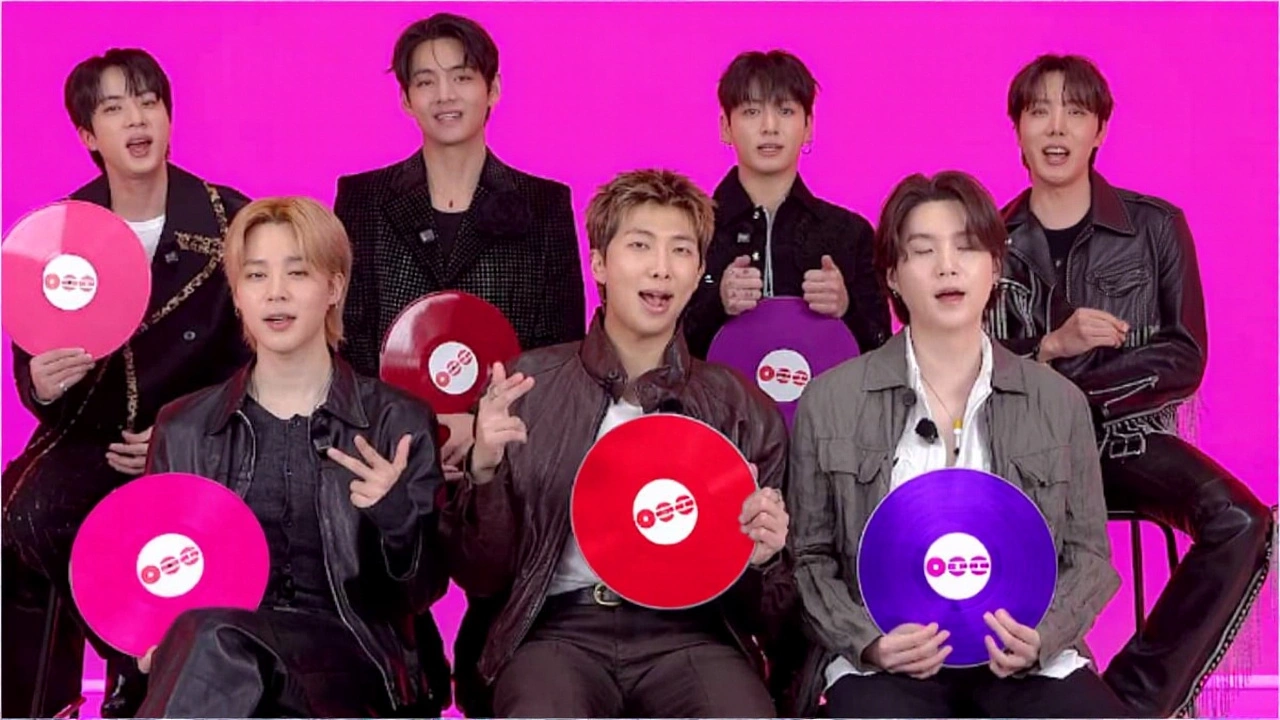
After a four-year silence as a full group, BTS didn't just whisper their return—they roared. The K-pop supergroup staged a massive, free comeback concert in the heart of Seoul, drawing tens of thousands to Gwanghwamun Square and millions more to their screens worldwide.
The event wasn't just a local celebration; it was a meticulously orchestrated global spectacle. Starting at 8 p.m. on Saturday, the hourlong performance served as the launchpad for their fifth album, "ARIRANG," and a new world tour. But here's the twist that caught many off guard: you couldn't buy a ticket. Instead, the show was a Netflix-exclusive live stream, blending physical presence with digital accessibility in a way few artists have attempted at this scale.
A Night of History in Central Seoul
If you were walking through central Seoul that evening, you'd feel the tension before you heard the music. Thousands of police officers had locked down a major boulevard surrounding Gwanghwamun Square, creating a secure perimeter for what amounted to one of the largest public gatherings in recent memory. It’s not every day that a city center shuts down for a pop concert, but BTS commands that kind of gravity.
Inside the designated viewing zone, exactly 22,000 fans held free seats. They weren't random lottery winners; they were part of a curated crowd selected to represent the group's diverse fanbase. Outside that zone? Tens of thousands more gathered around large screens set up in nearby parks and plazas. The atmosphere was electric—a mix of nervous anticipation and pure joy. One fan told reporters she’d been camping out since Thursday, not for a seat, but just to be part of the energy radiating from the stage.
But wait—there was more than just the main stage. Earlier in the day, a drone show lit up the Seoul sky, featuring intricate formations related to the "ARIRANG" theme. It was a pre-concert teaser that drew its own crowd, signaling that this comeback was designed as an immersive experience rather than a single-night gig.
The Numbers Behind the Noise
Let’s talk data, because the commercial impact of this return is staggering. On Friday, the day before the concert, BTS dropped their fifth studio album, "ARIRANG." According to their management company, HYBE, the album sold nearly 4 million copies in its first 24 hours. To put that in perspective, that’s enough physical media to fill several shipping containers—and it happened without traditional radio promotion or billboards.
Why such huge numbers? Partly nostalgia, partly curiosity. After four years apart due to mandatory military service and individual projects, fans were hungry for the original seven-member lineup. The setlist reflected this balance: they played brand-new tracks from "ARIRANG" alongside big hits like "Mic Drop," which triggered a collective sing-along so loud it reportedly shook the camera rigs.
Analysts are already projecting that the subsequent global tour—which kicks off with this Seoul date and spans dozens of shows across the United States, Europe, and Asia—could generate hundreds of millions of dollars in revenue per quarter. That’s not just music money; that’s economic stimulus for host cities, hotels, and airlines.
Netflix Takes Center Stage
Here’s where things get interesting for viewers outside South Korea. The concert was streamed live exclusively on Netflix. No YouTube premiere, no TikTok clips (at least not initially). This exclusivity deal marks a significant shift in how major musical events are distributed. For fans in India, Latin America, and elsewhere, the question "Where can I watch?" had only one answer: Netflix.
Social media buzzed with hashtags like #BTSComback and #LiveConcert, with Hindi-speaking fans sharing videos titled "BTS का कमबैक! यहां देखें Concert" (BTS's Comeback! Watch the Concert Here). The platform’s global reach ensured that even those who couldn’t travel to Seoul felt present. Vloggers documented their journeys, mixing concert footage with scenes of Seoul shopping and convenience store food challenges, highlighting the tourism boom tied to the event.
This strategy isn’t just about views; it’s about control. By partnering with Netflix, HYBE bypassed fragmented streaming rights and delivered a high-quality, ad-free experience directly to subscribers. It’s a model other artists will likely copy.

Fan Reactions and Cultural Impact
The emotional resonance of the night cannot be overstated. Fan-made fancams, particularly of the "Mic Drop" performance, circulated widely online. One video titled "Fans rejoice after BTS' comeback concert" garnered thousands of views within days, capturing tears, cheers, and synchronized light stick waves. These aren't just passive consumers; they're active participants in a cultural phenomenon.
Experts note that BTS’s return signals a maturation of the K-pop industry. Unlike earlier generations who relied heavily on physical promotions, BTS leverages digital infrastructure, global partnerships, and direct fan engagement. Their ability to mobilize both physical crowds in Seoul and virtual audiences worldwide demonstrates a level of influence rarely seen in entertainment.
Moreover, the event reinforced Seoul’s status as a global cultural hub. Just as Paris hosts fashion weeks and New York drives film festivals, Seoul now anchors major music events that draw international attention. The lockdown of Gwanghwamun Square—a site steeped in historical significance—symbolized the merging of tradition and modern pop culture.
What’s Next for BTS?
The Seoul concert was merely the opening act. Over the coming months, BTS will embark on a global tour spanning multiple continents. While specific dates remain under wraps, insiders confirm that North American and European legs are prioritized, with Asian stops following later in the year. Tickets are expected to sell out within minutes, given the demand shown in Seoul.
For HYBE, this comeback is a strategic victory. It proves that despite member absences and changing market trends, BTS remains a powerhouse. For fans, it’s validation that patience pays off. And for the music industry, it’s a case study in how to execute a high-stakes return.
As the lights dimmed over Gwanghwamun Square, one thing was clear: BTS hasn’t just returned. They’ve evolved. And the world is watching.
Frequently Asked Questions
Where could fans watch the BTS comeback concert live?
The concert was streamed live exclusively on Netflix. Fans outside Seoul needed a Netflix subscription to access the broadcast in real time. There were no alternative official platforms for the live stream, making it a unique distribution model for a major music event.
How many people attended the concert in person?
Exactly 22,000 fans secured free seats in the designated viewing zone at Gwanghwamun Square. However, tens of thousands more gathered in surrounding areas to watch on large outdoor screens, bringing the total physical attendance well above 50,000.
What is the name of BTS's new album?
The group released their fifth studio album titled "ARIRANG" on Friday, the day before the concert. The album sold nearly 4 million copies in its first 24 hours, according to management company HYBE.
When does the global tour start?
The Seoul concert on Saturday marked the official launch of the global tour. While specific future dates vary by region, the tour includes dozens of shows across the United States, Europe, and Asia, with performances expected to continue throughout the year.
Why was security so tight at Gwanghwamun Square?
Due to the massive expected turnout, thousands of police officers locked down a central boulevard near Gwanghwamun Square. This measure ensured crowd control and safety for the 22,000 seated attendees and the larger audience watching on screens, preventing overcrowding in historic areas.