Maruti Suzuki to Launch India's First Flex Fuel Car on June 5
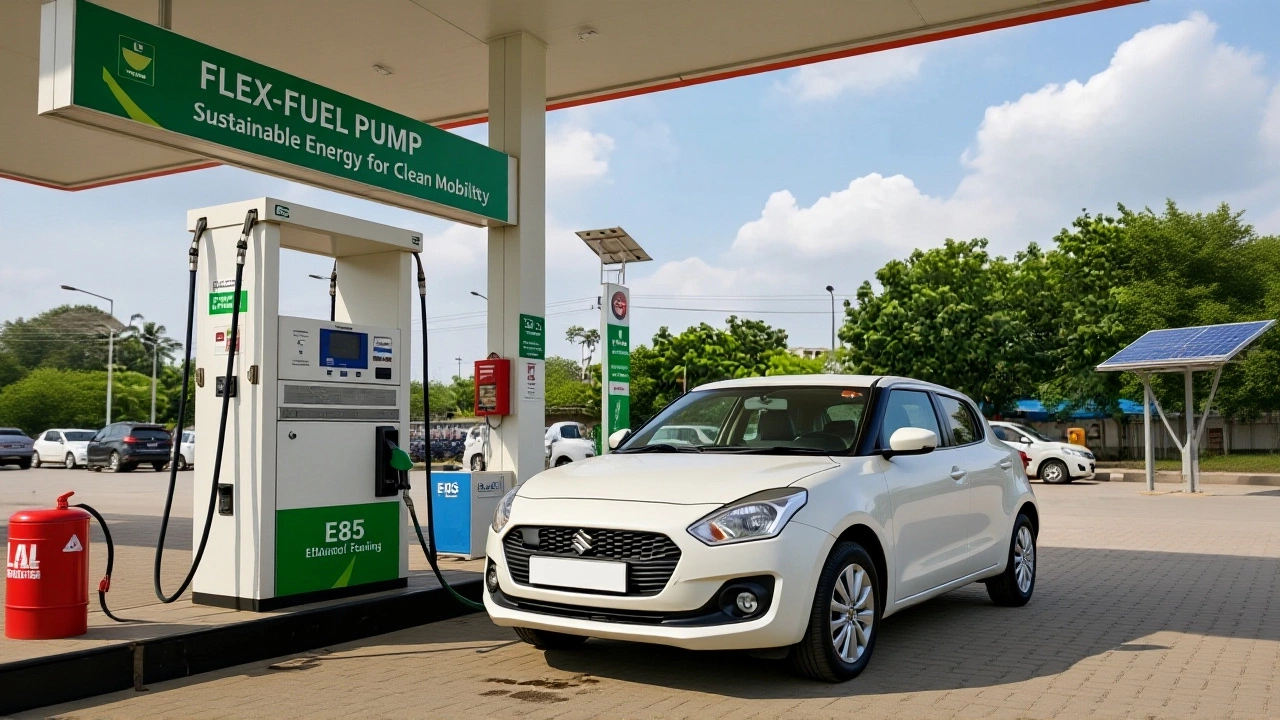
When Nitin Gadkari, Union Minister of Road Transport and Highways, dropped a bombshell announcement recently, the Indian auto industry sat up and took notice. He revealed that Maruti Suzuki India Ltd. is poised to launch the country’s first flex-fuel car on World Environment Day, June 5, 2026. This isn't just another model update; it marks a pivotal shift in how we fuel our vehicles, moving away from pure petrol toward ethanol blends.
The report, picked up by Aaj Tak on May 23, 2026, confirms what insiders have been whispering about for months. While Maruti hasn’t officially stamped its approval on the specific model name yet, all signs point to the popular WagonR hatchback leading the charge. Here’s the thing: this car won’t just run on petrol. It’s designed to handle anything from E20 (20% ethanol) up to E85 (85% ethanol). That flexibility is the game-changer.
The Big Picture: Why Flex Fuel Matters Now
Context is key here. For years, the government has been pushing for higher ethanol blending to reduce oil imports and support farmers. The Society of Indian Automobile Manufacturers (SIAM) had previously indicated that cars manufactured from April 2023 would be 'ethanol-material compliant.' But compliance is one thing; actual consumer-ready flex-fuel technology is another.
Gadkari made it clear during his address that the timeline is accelerating. He stated that the government could make flex-fuel engines mandatory for all vehicle manufacturers within the next six to eight months. Imagine that—every new car hitting the road soon might need to handle ethanol blends without breaking a sweat. This aligns with the broader E20 policy goal, which aims to blend 20% ethanol into petrol nationwide by 2025. However, this new move goes beyond mere compliance; it’s about empowering drivers to choose cleaner fuels actively.
What We Know About the Maruti Flex-Fuel Prototype
Details are still emerging, but the technical specs paint an interesting picture. According to reports from CarDekho, Maruti has already showcased a prototype of the WagonR capable of running on fuel blends ranging from E20 to E85. This means you could fill up at a standard petrol pump or find a station offering high-ethanol blends, and the car would adjust automatically. No manual switching required.
But wait—there’s a limit. The current design does not support E100, or pure ethanol. So, while it’s flexible, it’s not fully independent of petrol infrastructure. Industry experts note that this is a practical first step. Transitioning directly to E100 would require significant changes to existing fuel distribution networks and engine materials across the board. Starting with E85 capability allows the market to adapt gradually.
Tutu Dhawan, Automobile Expert, explained to NDTV that these engines work like a "2-in-1" system. They can run on pure petrol, pure ethanol, or any mixture in between. This versatility reduces the carbon footprint significantly compared to traditional internal combustion engines, as ethanol burns cleaner than gasoline.
Toyota’s Electric Twist and the Competitive Landscape
It wouldn’t be fair to leave out the competition. In a separate development, Toyota Motor Corporation unveiled what it calls the world’s first electric flex-fuel vehicle—the Innova Hycross variant. Launched in Gadkari’s presence, this prototype runs on a hybrid mix of 40% ethanol and 60% electric energy. It uses regenerative braking to recharge its battery while driving.
This creates a fascinating dichotomy. Maruti is betting on accessible, affordable flex-fuel tech for the mass market via the WagonR. Toyota is exploring premium, hybrid-electric solutions for larger families. Both approaches signal that ethanol is no longer just a government mandate; it’s becoming a core part of automotive engineering strategy in India.
Impact on Consumers and Prices
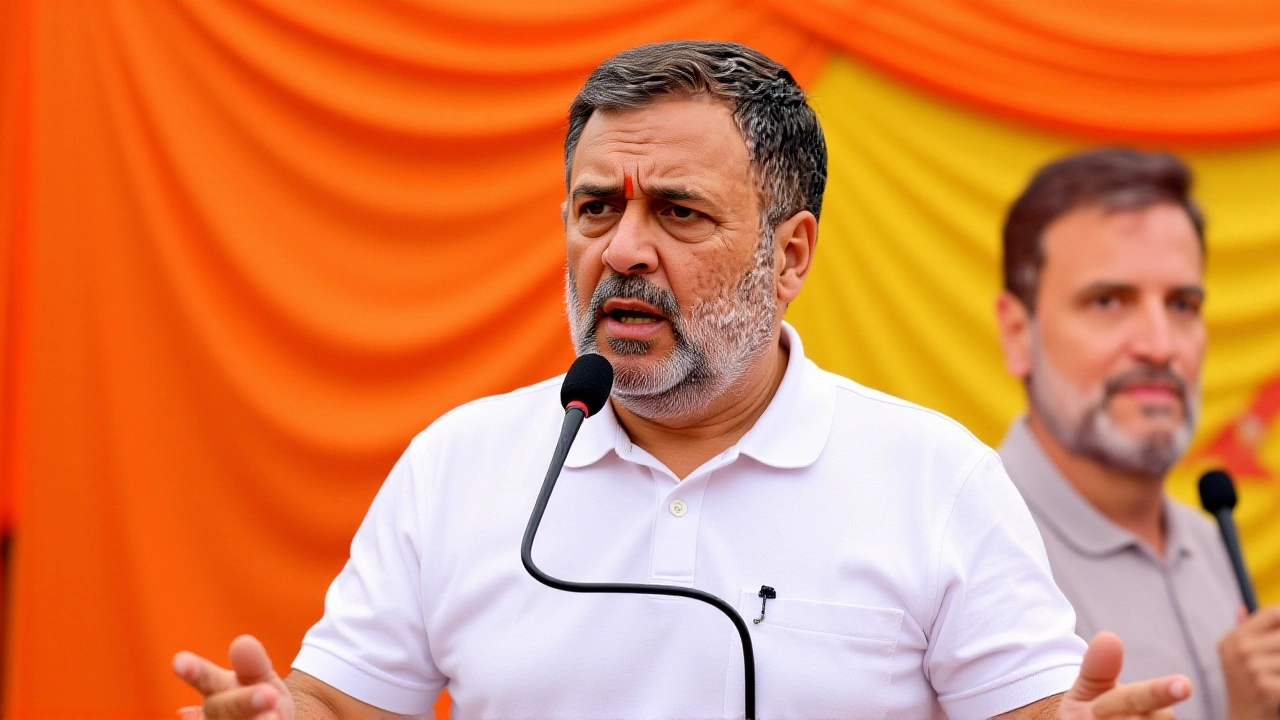
Here’s the million-dollar question: will this cost me more? Gadkari addressed this head-on, claiming that making flex-fuel engines mandatory won’t increase vehicle prices for consumers. If true, that’s huge news. Historically, green tech often comes with a premium tag. If Maruti can deliver this technology without hiking ex-showroom prices, adoption rates could skyrocket.
Ethanol itself is cheaper than petrol in many parts of India, produced locally from sugarcane and other agricultural waste. This dual benefit—lower fuel costs and reduced environmental impact—makes the proposition attractive. However, availability remains a hurdle. Not every petrol pump currently stocks E85. Infrastructure expansion will need to keep pace with vehicle launches.
Timeline and What’s Next
Let’s look at the clock. The launch date is set for June 5, 2026. Given that today is mid-May 2026, we’re counting down the days. Maruti needs to finalize its official communication regarding the model name and pricing. Meanwhile, the government is drafting regulations to enforce flex-fuel standards under Euro-6 emission norms.
If the six-to-eight-month window Gadkari mentioned holds true, we could see other major players like Hyundai, Tata Motors, and Mahindra following suit with their own flex-fuel variants by early 2027. This isn’t just a Maruti story anymore; it’s an industry-wide transformation.
Frequently Asked Questions
Which car model will be Maruti's first flex-fuel vehicle?
While Maruti Suzuki has not officially confirmed the name, strong industry reports suggest the WagonR hatchback will be the first model to receive the flex-fuel treatment. Prototypes have already been tested with this platform.
Can this car run on pure ethanol (E100)?
No, the initial flex-fuel models are designed to run on blends up to E85 (85% ethanol). They cannot operate on E100 pure ethanol. This limitation ensures compatibility with existing engine components while still offering significant fuel flexibility.
Will the price of these cars be higher than regular petrol models?
Union Minister Nitin Gadkari has stated that the transition to flex-fuel engines should not lead to an increase in vehicle prices for consumers. The goal is to make this technology accessible without adding financial burden to buyers.
When will flex-fuel engines become mandatory in India?
The government indicates that flex-fuel engines could be made mandatory for all new vehicles within the next six to eight months from the announcement. This would apply to all manufacturers operating under Euro-6 emission norms.
How does this compare to Toyota's recent announcement?
Toyota launched a prototype of the Innova Hycross that combines electric power with ethanol fuel (40% ethanol, 60% electric). Maruti’s approach is different, focusing on a purely internal combustion engine that accepts variable ethanol blends, targeting a wider, more affordable market segment.