UP Power Cuts Spark Fury Amid Heatwave; Minister Denies Load Shedding
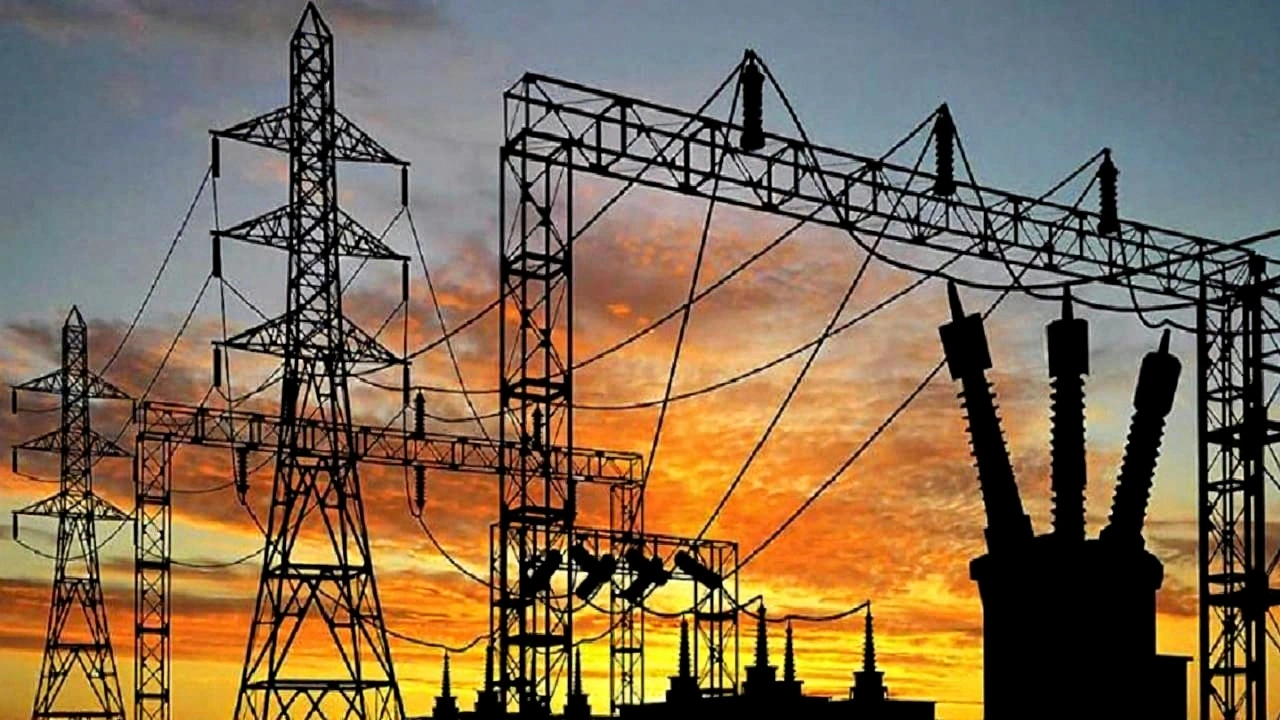
Residents of Uttar Pradesh are sweating through the night, not just because of the blistering heat, but because the lights keep going out. For weeks, millions have faced up to six hours of daily power cuts, turning homes into ovens and hospitals into ticking time bombs. The crisis has ignited a fierce political battle in the state capital, with accusations flying between the ruling government and opposition leaders.
Here’s the thing: this isn’t just about uncomfortable evenings. It’s a full-blown emergency affecting rural communities, urban centers, and even major tourist hubs. While temperatures soar, the electricity grid is buckling under pressure, leaving citizens angry and officials scrambling for explanations.
The Blame Game Heats Up
The core of the conflict lies in conflicting narratives. On one side, you have Akhilesh Yadav, Chief of the Samajwadi Party, who has relentlessly criticized the state government for failing to manage the energy crisis. His argument is simple: people are suffering, and the administration is negligent.
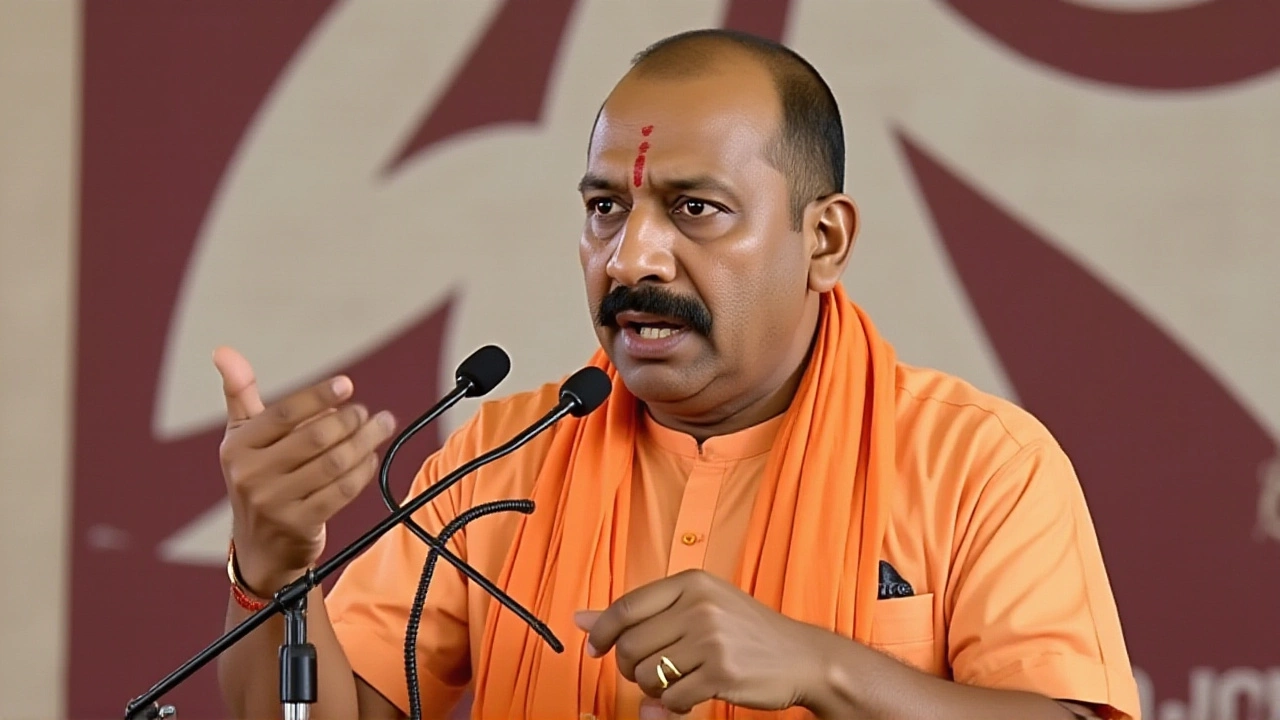
On the other side stands A.K. Sharma, Energy Minister of Uttar Pradesh Government. In a surprising twist, Sharma denies that systematic load shedding is occurring. Instead, he claims that many outages are due to "political difficulties" causing unauthorized shutdowns or sabotage, rather than a lack of supply. This distinction matters—it shifts the blame from infrastructure failure to alleged political interference.
"There is no cut in electricity," Sharma stated in recent reports. "What we are seeing in many places is a shutdown due to political problems." This defense has done little to calm public anger, especially when residents cite unannounced blackouts that disrupt daily life unpredictably.
Six Hours of Darkness Across Major Cities
The geographic spread of the crisis is staggering. News bulletins report that nearly every major city in the state is grappling with prolonged outages. Residents in Lucknow, the state capital, face approximately six hours of darkness daily. The same holds true for Prayagraj, Kashi (Varanasi), Ayodhya, Etawah, and Agra.
In Noida, part of the Gautam Buddha Nagar district, the situation is even more chaotic. Reports indicate "unannounced" power cuts here, meaning there’s no fixed schedule. Outages can last anywhere from 30 minutes to an hour or more, striking at random times. This unpredictability hits IT professionals and industrial workers particularly hard, disrupting workflows and causing significant economic friction.
Even smaller cities like Rampur and Aligarh are experiencing declared six-hour blackouts. The sheer scale suggests a systemic strain on the grid rather than isolated incidents.
Human Cost: From Crying Babies to Rural Protests
Behind the statistics are real human stories. Television anchors have noted that children are crying during these extended blackouts, unable to sleep in the stifling humidity. In rural areas, the frustration has boiled over into open rebellion. Villagers have staged loud protests against the electricity department, accusing local officials of negligence.
One specific complaint highlights the breakdown in communication: villagers allege that their Sub-Divisional Officer (SDO) refuses to pick up phone calls regarding restoration requests. The message from rural communities is clear and ominous: if the problem isn’t resolved soon, they will escalate their agitation. "We will intensify our movement," warned protest leaders, signaling potential widespread unrest.
The health implications are also severe. With 26 of India’s 50 hottest cities located in Uttar Pradesh—including Badaun, Prayagraj, and Jalaun—the risk of heatstroke rises sharply when fans and air conditioners fail. Hospitals, which rely heavily on stable power for critical care, remain a point of deep concern, though specific hospital outage details were not detailed in initial reports.
Government Response and Future Outlook
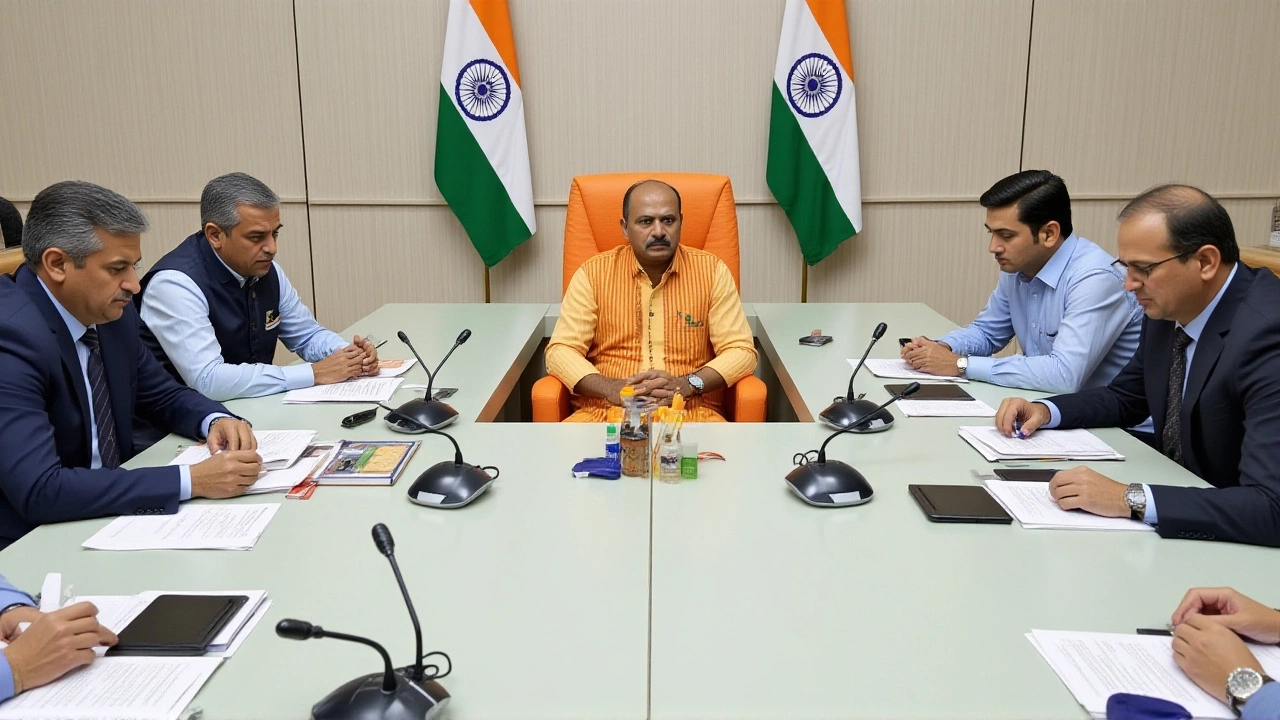
The state government has instructed administrative machinery to remain on high alert. Officials claim they are monitoring the supply chain closely to mitigate the impact of rising demand. However, critics argue that reactive measures aren’t enough. There is currently no concrete timeline announced for additional power generation capacity or new transmission lines to address the deficit.
As the summer progresses, the tension is likely to increase. If the heatwave persists and power supplies don’t stabilize, the social fabric could fray further. The upcoming weeks will test whether the government’s narrative of "political sabotage" holds water against the reality of exhausted transformers and overwhelmed grids.
Frequently Asked Questions
Why is Uttar Pradesh facing such severe power cuts?
The primary cause is a combination of extreme heatwaves increasing electricity demand and insufficient supply infrastructure. Energy Minister A.K. Sharma attributes some outages to political interference and unauthorized shutdowns, while opponents cite general negligence and inadequate planning by the current administration.
Which cities are most affected by the blackouts?
Major cities including Lucknow, Prayagraj, Varanasi (Kashi), Ayodhya, Agra, Etawah, Rampur, and Aligarh are reporting up to six hours of daily power cuts. Noida faces unpredictable, unannounced outages lasting 30 minutes to over an hour.
What is the difference between load shedding and the "shutdowns" mentioned by the minister?
Load shedding refers to planned, scheduled reductions in power supply to prevent grid collapse. Minister A.K. Sharma denies systematic load shedding, claiming instead that "shutdowns" caused by political difficulties are responsible for many disruptions. Critics view this as a semantic distinction that doesn’t alleviate the public’s suffering.
How is this affecting rural communities?
Rural residents are facing intense hardship, with complaints of officials ignoring distress calls. The lack of power during humid nights affects sleep and health, leading to protests and threats of escalated agitation if immediate solutions are not provided.
Is there a solution in sight?
Currently, the government has ordered administrative alerts but has not announced a specific timeline for restoring full capacity or adding new power sources. The situation remains volatile as temperatures continue to rise across the state.